Shenzhen Chenghao TFT and Monochrome LCD Display Development and Manufacturing Processes
22 October, 2025


Search...
A clean bench test can make an unstable display look innocent. Mount the same TFT LCD module in its enclosure, start the nearby motor, and a soft pulse appears. Was the panel at fault? Possibly. The more useful question is simpler: which signal stopped behaving when the assembly changed?
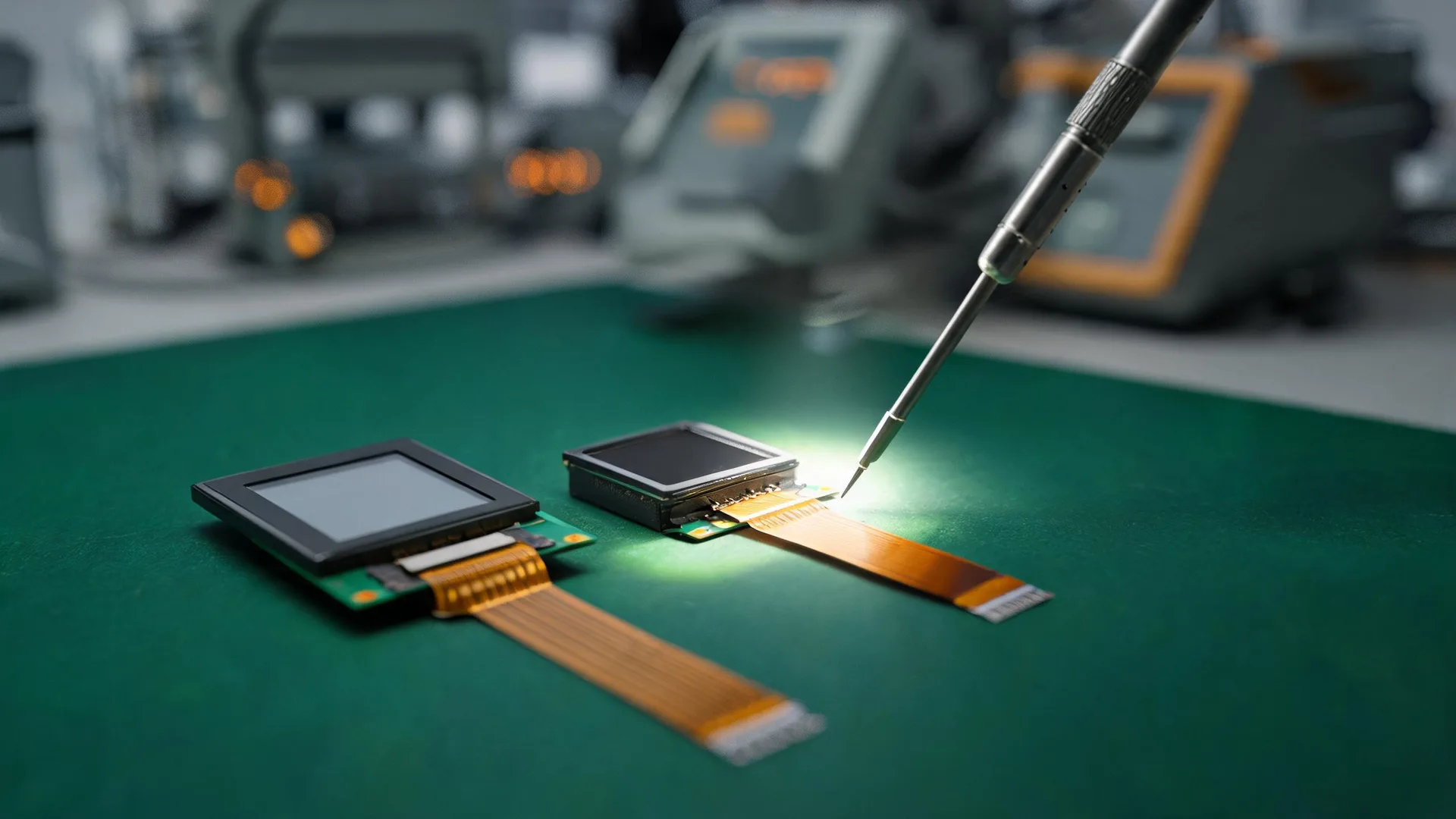
Put a scope on the module connector before swapping parts. Look at the pixel clock, synchronization lines, and supply rails with the released firmware running. Do the blanking intervals match the panel timing? Is the refresh cadence steady during boot and normal operation?
Now watch what happens when the controller takes on another task. If the disturbance lands on a frame boundary, revisit pixel timing and frame buffering. If it follows a motor start or radio transmission, follow the electrical path toward power and grounding. A waveform that looks tidy with a test image may carry short blanking gaps under real bus load.
Front view of the display screen
|
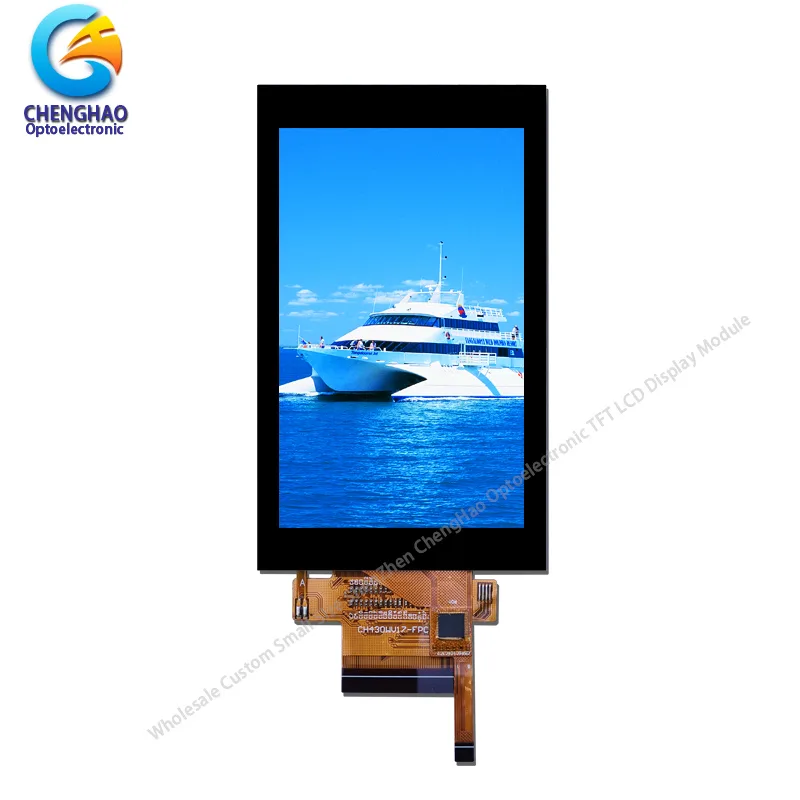
Powered-on view of the display screen
|
| CH430WV17A-CT – 4.3 inch – TFT LCD | |
The interface route also changes after assembly. Parallel RGB needs consistent sampling and controlled trace lengths. LVDS and MIPI-style links depend on termination and lane routing. Put the probe where the signal enters the display. An evaluation board leaves more room for error than a long harness that crosses several connectors.
Try a flat mid-gray image. Then switch between two gray levels while watching both the panel and the backlight current. Luminance moves while the pixel data stays steady? Follow the LED driver. The light remains even while the image pulses? Look for timing loss, buffering trouble, or damaged data.
PWM dimming can fool the eye. A repetition invisible in a static room may beat against a camera exposure or another periodic load. Compare the dimming waveform with the timing of that load. Pay attention to the current-feedback path and the driver’s reaction when demand changes abruptly. One controlled substitution is fine. Several at once destroys the evidence.
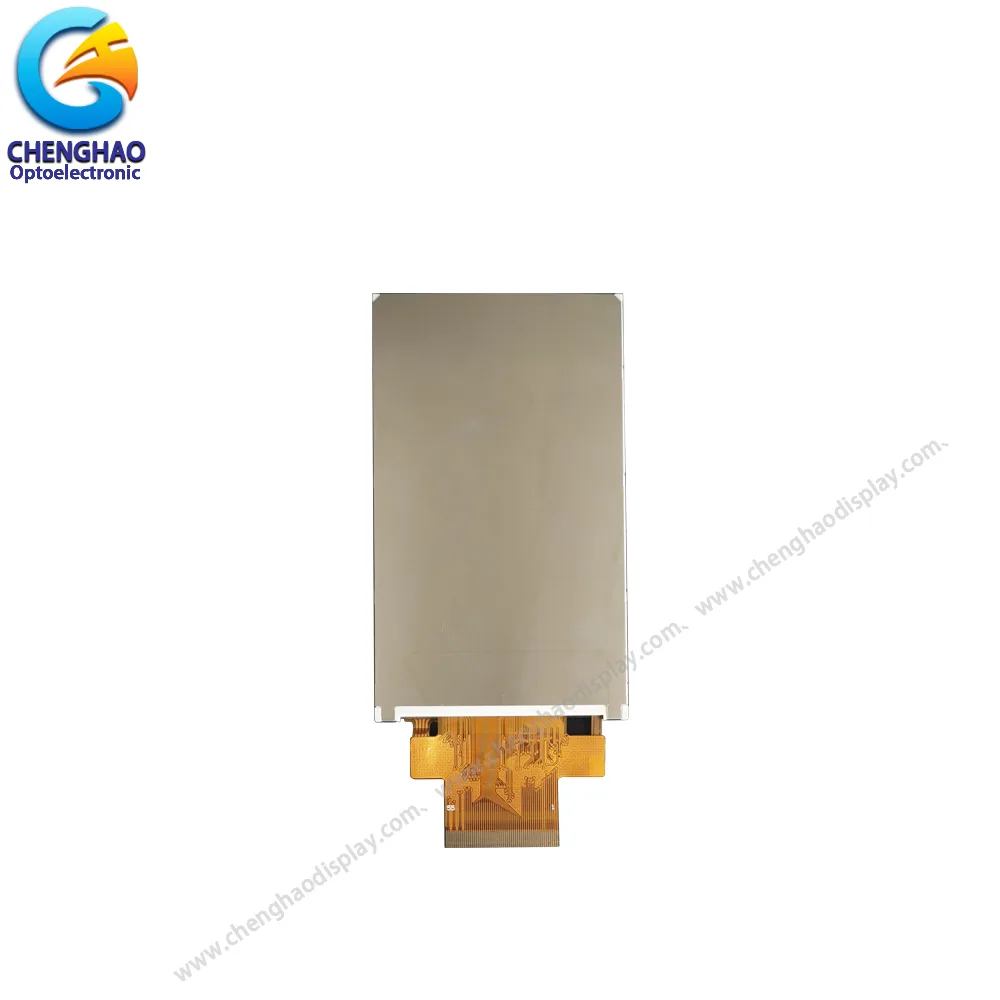
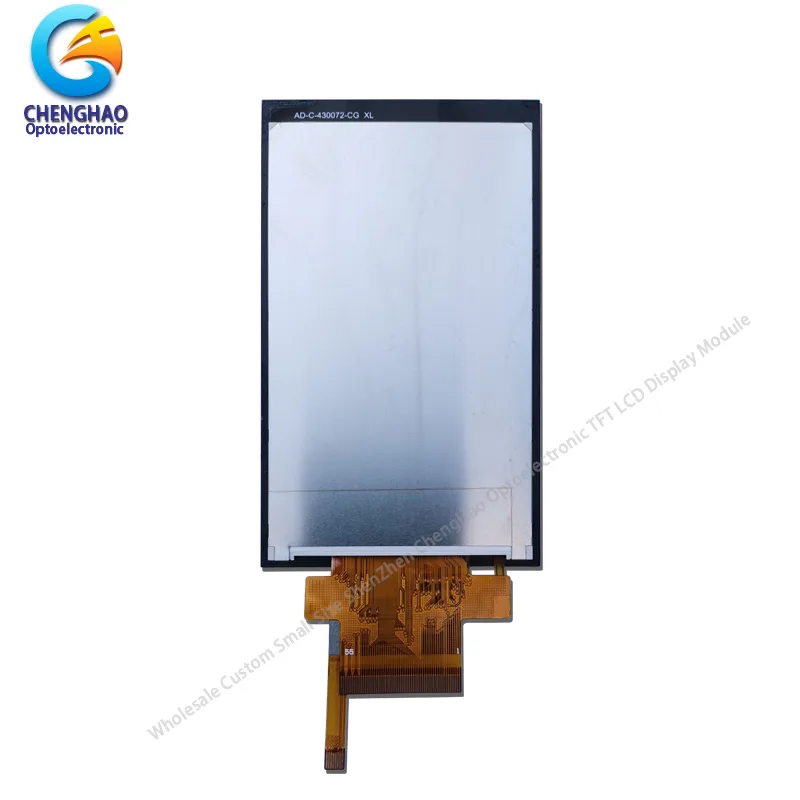
Rear view of the display screen
|
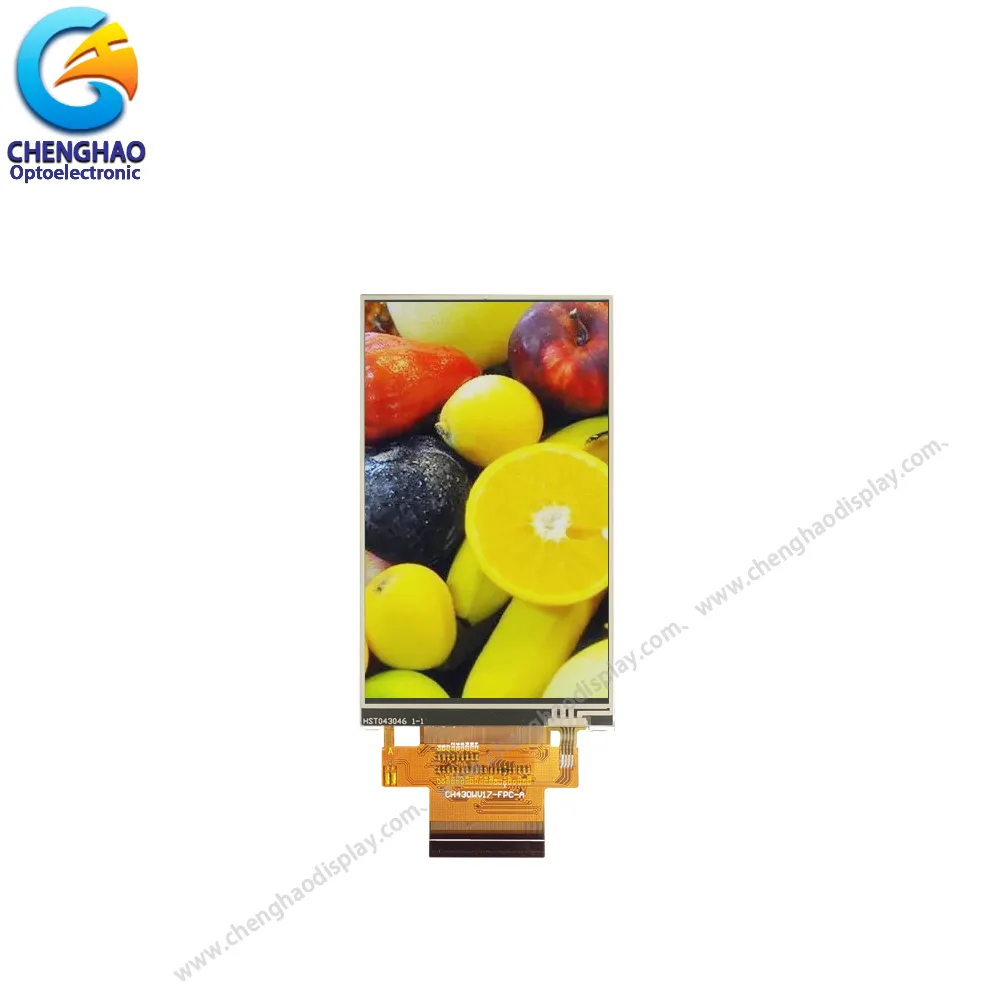
Powered-on view of the display screen
|
| CH430WV17A-T – 4.3 inch – TFT LCD | |
Sequencing deserves a separate look. Driver logic, analog rails, and the backlight enable should enter their valid states in the expected order. An underspecified rail may reset the driver without producing an obvious black screen. Shared power can also carry relay or radio noise into the module. Measure at the connector, since the harness and contacts are part of the installed circuit.
Keep the problem conditions intact: production enclosure, planned cable route, released firmware, and active peripherals. Run solid fields, fine lines, brightness changes, and ordinary equipment cycles. Write down whether the pulse follows a clock interval, an external event, or heat buildup.
Use a short test record for the symptom, probe location, board configuration, and measured result. This sounds mundane. It prevents a new capacitor or replacement cable from taking credit for a fault that remains elsewhere. If the result is ambiguous, compare against a known-good host board and source, replacing one block at a time.
For a custom TFT LCD module project, bring the measured timing, supply behavior, connector details, and operating conditions to the display supplier early. Chenghao Optoelectronic reviews those requirements with module selection and driver settings in mind. Contact Us to discuss the evidence behind your embedded display design.
Q1: How can I tell whether flicker comes from the TFT LCD module or the host electronics?
Measure timing and supply signals at the module connector while the complete assembly runs. Compare the module with a known-good host board, then change one subsystem at a time so the fault source remains visible.
Q2: Which measurements should I collect before discussing a custom display module?
Record the pixel clock, refresh rate, blanking intervals, interface mode, supply behavior, and the operating event that triggers the disturbance. These observations let engineering teams review interface timing and driver settings against the actual application.
Q3: Can Chenghao support industrial display customization and consistent production?
Yes. Chenghao Optoelectronic provides one-stop custom display module development and works with ISO 9001 and ISO 14001 management systems. Technical requirements, sample stages, and long-term production needs can be reviewed together.