Shenzhen Chenghao TFT- og monokrome LCD-skjermutviklings- og produksjonsprosesser
22 oktober, 2025
Two OLED modules can look alike, use the same interface, and fit the same opening, yet carry very different patent histories. That gap tends to surface at an awkward time: a supplier changes a material, moves assembly to another plant, or offers a lower-cost panel under an existing family name.
The samples may still pass. That’s the problem. Electrical checks tell you whether a module works. They don’t tell you who designed the pixel structure, who supplies the organic material, or whether a license held by one production partner extends to the finished assembly.
An OLED module is rarely made by one company from start to finish. Panel design, deposition or printing, driver architecture, bonding, and final assembly can involve separate organizations. Rights can sit with different owners along that path. A valid arrangement for one supplier or production site may not cover a new site, a redesign, or another module built by the same assembly house.
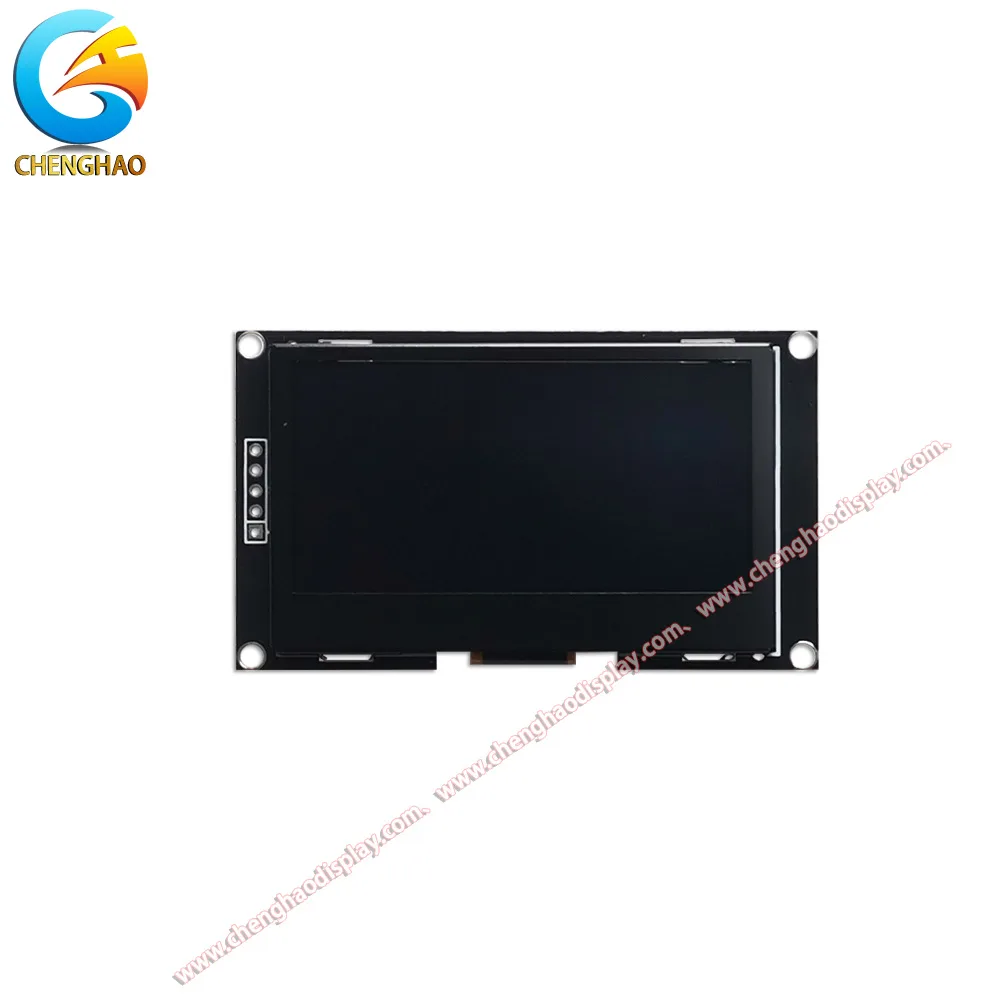
Forfravisning av skjermen
|
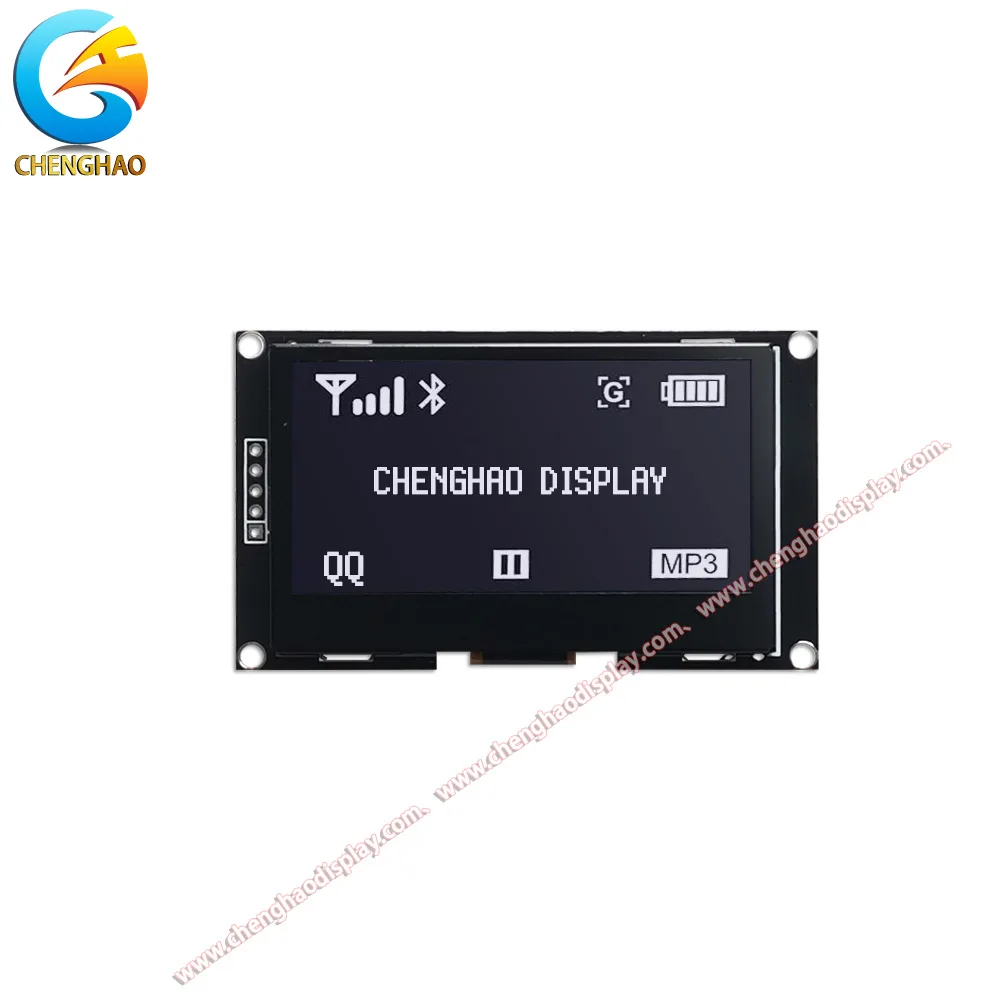
Visning av skjermen når den er påslått
|
| CH240L002A-PW – 2.4 tommer – OLED | |
This isn’t a reason to reject every layered supply chain. It is a reason to know the chain before placing the module in a product that may stay in service for years. Consider a process change made to improve coating uniformity. The screen may look the same. The design owner, licensed route, and patent exposure behind it may not.
What happens if that change is discovered late? A redesign can arrive after the enclosure, cable, and firmware are frozen. Spare-part plans may need a new source. A delivery schedule can slip while two suppliers compare drawings and contracts. Asking a few questions during selection is tedious, but it is cheaper than untangling assumptions after production.
Start with a plain technical record. List the panel source, assembly location, main materials, display mode, interface family, and every customization that moves away from the reference design. Keep that map beside the intellectual property declaration. The two documents should describe the same module revision.
The questions worth asking are narrow:
Don’t accept “original design” as the complete answer. It says little about the contribution chain. Request a controlled declaration from a party with authority to make it, then keep sensitive evidence with legal review and a shorter summary with purchasing. Engineering needs the change details, not every commercial term.
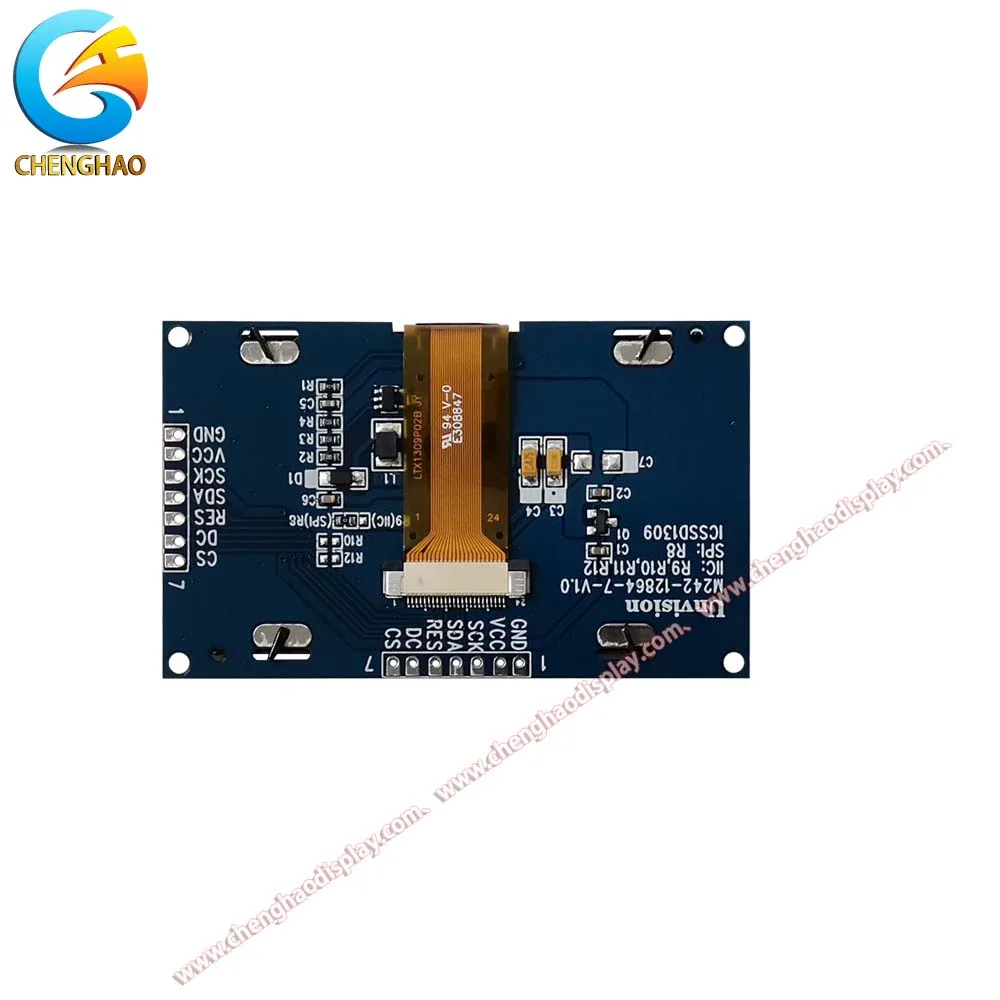
Bakfra-visning av skjermen
|
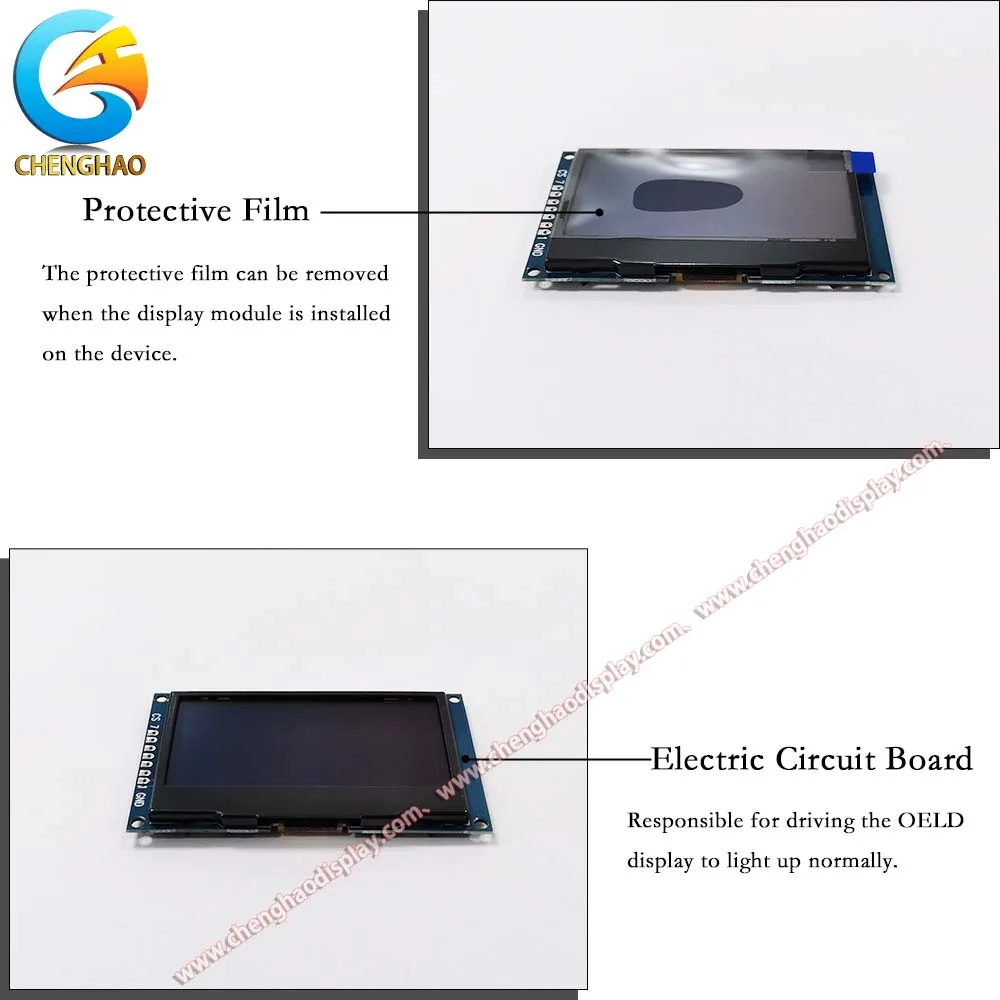
Visning av skjermen når den er påslått
|
| CH240L003A-PW – 2.4 tommer – OLED | |
Your qualification file should make later comparison possible. Tie the sample, drawing, material list, and assembly location to one revision. If a replacement panel is proposed, compare it with that record. A matching screen size and model prefix won’t prove that the underlying design is unchanged.
The purchase agreement should name the approved revision and define how changes are communicated. Ask what happens if a disputed feature has to be replaced. Can the supplier keep shipments moving while a substitute is qualified? Will it support a redesign or help transfer to another panel? Those answers turn a vague concern into a plan.
For standard modules, clear revision control and written change notice may be sufficient. Custom OLED projects need a closer look at subcontractors, design ownership, and licensing because more of the module has been changed for the application. Record the decision and its assumptions. The next engineering team should be able to see why the part was approved.
Contact our engineering team with the OLED module size, interface, operating environment, and expected service life. We can help assemble the technical information needed for a sourcing review.
Q1: How should a buyer review patent exposure for a custom OLED module?
Map the panel design, material sources, assembly location, licensing scope, and change-notification route. A controlled declaration lets engineering and purchasing compare each proposed revision with the approved baseline.
Q2: Can a standard OLED module still require design-source verification?
Yes. Even a standard part should have a named design source, revision control, and a written process for production or material changes that may affect the approved module.
Q3: How can Chenghao support a long-term industrial sourcing plan?
Chenghao is an integrated design and manufacturing partner with ISO9001 and ISO14001 systems. Its engineering team can help document the module definition, qualification requirements, and change-control inputs needed for an industrial project.